

Surge protection plays an important role in maintaining dependable electrical systems and supporting the safe operation of connected equipment. Primary and secondary protection work at different points within an installation, creating a coordinated approach to managing transient overvoltages. Understanding the differences between Type 1 and Type 2 surge protective devices helps electrical planners identify suitable protection for each stage. A useful reference for understanding these distinctions is https://lsp.global/spd-type-1-vs-type-2-vs-type-3/.
Primary Protection With Type 1 SPDs
Type 1 surge protective devices are designed for the first stage of protection and are commonly positioned near the service entrance. Their primary purpose is to manage high-energy surges associated with external sources, particularly lightning-related events. Type 1 devices are tested using the 10/350 µs waveform, reflecting their ability to handle substantial impulse current.
Important characteristics include:
- Designed for high-energy surge conditions
- Commonly positioned at the incoming electrical supply
- Suitable for installations exposed to significant lightning risks
- Helps manage surge energy before it travels deeper into the system
- Supports coordinated protection throughout an electrical installation
By addressing powerful external surges at an early stage, Type 1 protection establishes a strong foundation for overall electrical system reliability.
Secondary Protection With Type 2 SPDs
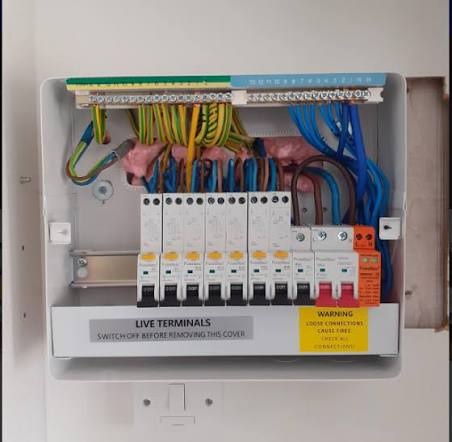
Type 2 surge protective devices provide the next stage of protection within an electrical distribution system. They are generally installed on the load side of the main service equipment or at distribution boards. Their role includes managing residual lightning energy and internally generated switching transients. Type 2 devices are tested with an 8/20 µs waveform.
Their useful features include:
- Supports protection at distribution levels
- Helps manage switching-related transient voltages
- Reduces residual surge energy reaching downstream circuits
- Provides protection for connected electrical loads
- Works effectively as part of a coordinated protection strategy
How Type 1 And Type 2 Work Together
Type 1 and Type 2 SPDs are complementary rather than competing solutions. Type 1 protection handles major incoming surge energy, while Type 2 protection manages remaining and internally generated transient energy farther through the distribution network. Using appropriately coordinated stages can provide more comprehensive protection for electrical installations.
Choosing A Coordinated Protection Approach
When planning surge protection, several system characteristics can guide the selection process:
- Electrical distribution arrangement
- Exposure to lightning and external surges
- Location of main and secondary distribution boards
- Sensitivity of connected equipment
- Applicable electrical installation requirements
A well-planned combination of primary and secondary surge protection can create a structured defense across multiple points of an electrical system. By understanding the distinct roles of Type 1 and Type 2 SPDs, electrical professionals can develop protection strategies that support dependable operation, equipment continuity, and long-term system performance.