

Solenoid valves play an important role in managing liquids and gases across many types of equipment. Responding to an electrical signal, they help systems direct flow with speed, consistency, and control. Understanding the functions explained in https://www.vincervalve.com/what-is-a-solenoid-valve/ shows how these compact components support smooth operation, dependable performance, and practical automation. Their function can be adapted to different flow demands and equipment layouts.
Controlling Fluid Flow
A primary function of a solenoid valve is to start, stop, or regulate fluid passage through a connected line. Its electrically operated mechanism lets a system respond without manual adjustment at the valve.
Key flow-control contributions include:
- Opening a passage when an electrical signal activates the coil.
- Closing the passage when the signal is removed, depending on design.
- Directing fluid through selected pathways in multi-port arrangements.
- Supporting repeatable equipment cycles.
- Helping maintain an organized flow sequence.
These functions make fluid handling manageable and help equipment perform coordinated tasks.
Supporting Automation and Responsive Operation
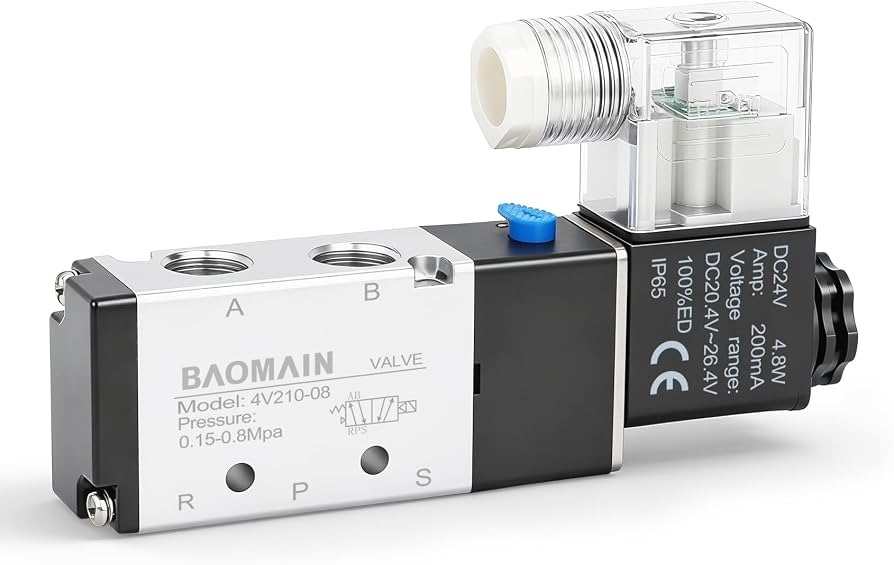
Solenoid valves connect electrical controls with mechanical fluid movement. This makes them useful in automated processes that respond to sensors, switches, timers, or control circuits.
Their operational benefits include:
- Enabling automatic activation within a system.
- Responding quickly to signals for timely flow changes.
- Reducing frequent manual valve adjustments.
- Supporting repeatable production sequences.
- Integrating fluid control into compact automated designs.
When selected for the application, a solenoid valve contributes to efficient workflows and consistent routines.
Helping Improve System Efficiency
Well-matched valve functions can support efficient use of energy, materials, and operating time. Accurate flow control helps equipment deliver the required fluid amount at the appropriate process stage.
Practical efficiency advantages include:
- Limiting unnecessary fluid movement.
- Helping maintain predictable operating cycles.
- Supporting precise delivery where controlled flow is needed.
- Making system responses easier to coordinate.
- Allowing configurations suited to flow direction and operating conditions.
Correct sizing, suitable materials, and appropriate pressure and temperature ratings help achieve these advantages.
Contributing to Dependable Equipment Performance
Solenoid valves are available in different configurations to match operating needs. Choosing a suitable design helps the component work harmoniously with the fluid, pressure range, electrical supply, and surrounding equipment.
Consider these selection and operation factors:
- Select normally closed or normally open operation for the required default state.
- Check the fluid type and material compatibility.
- Match voltage and connections to the control circuit.
- Confirm pressure, temperature, and flow requirements before installation.
- Keep the valve clean and follow recommended inspections.
A carefully selected and maintained valve supports reliable performance and helps protect the wider system.
Conclusion
From directing fluid movement to enabling automated responses, solenoid valves perform essential functions that contribute to organized and efficient system operations. Their controlled, repeatable action makes them valuable across many fluid-handling applications. By understanding operating principles, evaluating requirements, and choosing suitable configurations, users can build systems that work smoothly and consistently. Further product and application information is available through https://www.vincervalve.com/es/, supporting informed decisions about fluid-control solutions.