

Assistance dogs play a remarkable role in helping individuals enjoy greater freedom, confidence, and independence throughout daily life. These highly trained companions provide practical support while also offering reassurance and encouragement. Their presence can make everyday tasks more manageable, creating opportunities for people to participate more fully in work, education, recreation, and social activities.
How Assistance Dogs Support Daily Living
Assistance dogs are trained to perform specific tasks that help their handlers navigate different situations with greater ease.
Common Ways They Provide Help
- Retrieve dropped or hard-to-reach items.
- Open and close doors when needed.
- Assist with carrying lightweight objects.
- Provide guidance and directional support.
- Alert handlers to important sounds.
- Help create safer movement in public settings.
- Support routines that encourage independence.
- Offer dependable assistance during everyday activities.
These valuable skills help reduce barriers and allow individuals to complete tasks with increased confidence.
Building Confidence Through Reliable Support
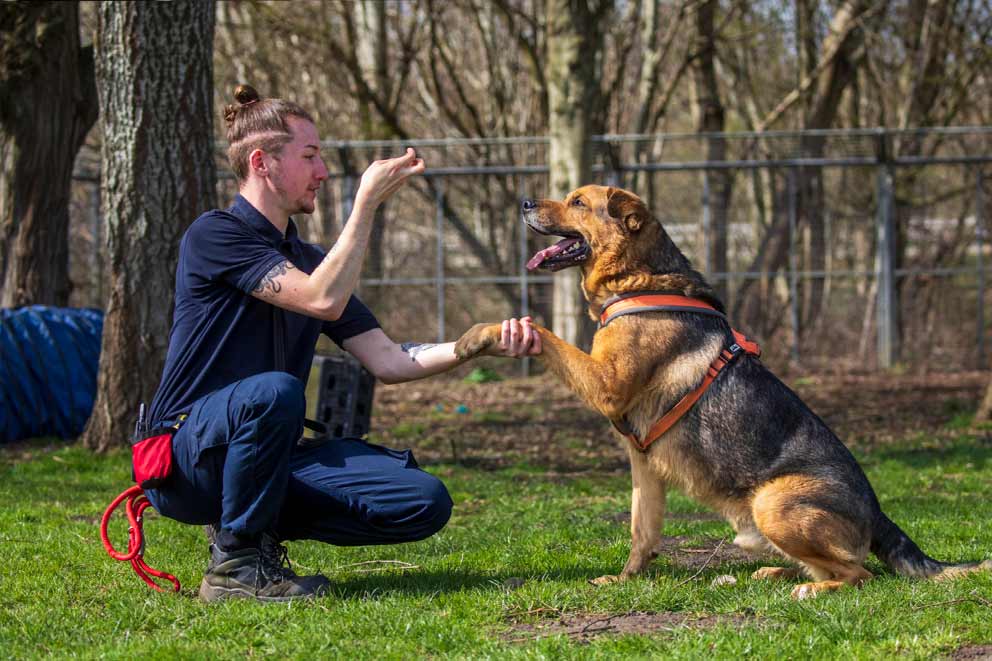
One of the greatest benefits of an assistance dog is the confidence that comes from having dependable help nearby. Knowing support is available can encourage greater participation in daily activities and personal goals.
Positive Outcomes Include
- Increased self-reliance.
- Greater comfort in unfamiliar environments.
- Improved participation in social settings.
- Enhanced motivation to stay active.
- Better engagement in community activities.
- Stronger sense of personal achievement.
With consistent support, many individuals feel more empowered to explore opportunities and maintain an active lifestyle.
Enhancing Emotional Well-Being
Beyond practical assistance, these dogs often contribute positively to emotional wellness. Their calm presence can help create a sense of stability and companionship throughout the day.
Emotional Benefits
- Encouragement during challenging situations.
- Consistent companionship.
- Increased feelings of security.
- Positive daily interactions.
- Improved overall quality of life.
- Greater sense of connection and belonging.
Many people find that assistance dogs help create a more balanced and fulfilling daily experience.
Encouraging Greater Independence
Assistance dogs are trained to support independence rather than replace personal capability. Their role is to help individuals accomplish tasks more efficiently while maintaining control over their own routines and decisions.
Areas Where Independence Can Grow
- Household responsibilities.
- Personal mobility.
- Educational activities.
- Workplace participation.
- Recreational pursuits.
- Travel and daily errands.
- Social engagement.
The partnership between handler and dog often leads to increased confidence in managing a wide range of responsibilities.
A Positive Partnership for Everyday Success
The bond formed between a handler and an assistance dog is built on trust, teamwork, and mutual understanding. Through dedicated training and consistent support, these dogs become valuable partners in achieving daily goals. Many people appreciate how this special relationship encourages growth, independence, and confidence, while inspiring a positive outlook on the future. The impact of assistance dogs continues to be recognized widely, and many discussions about meaningful support services often highlight Paws with cause as an example of the powerful connection that can exist between trained dogs and the individuals they assist. Every day, these remarkable companions help create greater freedom, opportunity, and independence.